Bitget wallet Is a practical crypto wallet guide
Bitget wallet Is a Web3 crypto wallet used to store digital assets, connect to decentralized applications, manage NFTs, swap tokens, and review token-related information from one interface. It is best understood as a self-custody wallet experience, meaning users must protect their recovery phrase, verify networks and addresses, and confirm fees before every transaction. This guide explains how Bitget wallet works, what users commonly do with it, and what risks should be checked through official sources.
Bitget wallet sits in the broader category of non-custodial crypto wallets. A non-custodial wallet gives the user direct control over private keys or recovery credentials instead of relying entirely on a centralized account. That control is useful, but it also changes responsibility. If a recovery phrase is lost, exposed, or entered into a fake website, funds may be impossible to recover. For that reason, Bitget wallet should be approached as both a useful Web3 tool and a security-sensitive financial interface.
Bitget wallet is often searched by people who want a simple explanation before installing an app, connecting to DeFi, or looking up wallet-token details. The important point is that a wallet is not the same thing as a bank account. It is software that signs blockchain transactions. Those transactions can be permanent, network fees can change quickly, and token prices can be volatile. Bitget wallet may make these actions easier to navigate, but it cannot remove the underlying risks of blockchains, smart contracts, or market movement.
What is Bitget wallet?
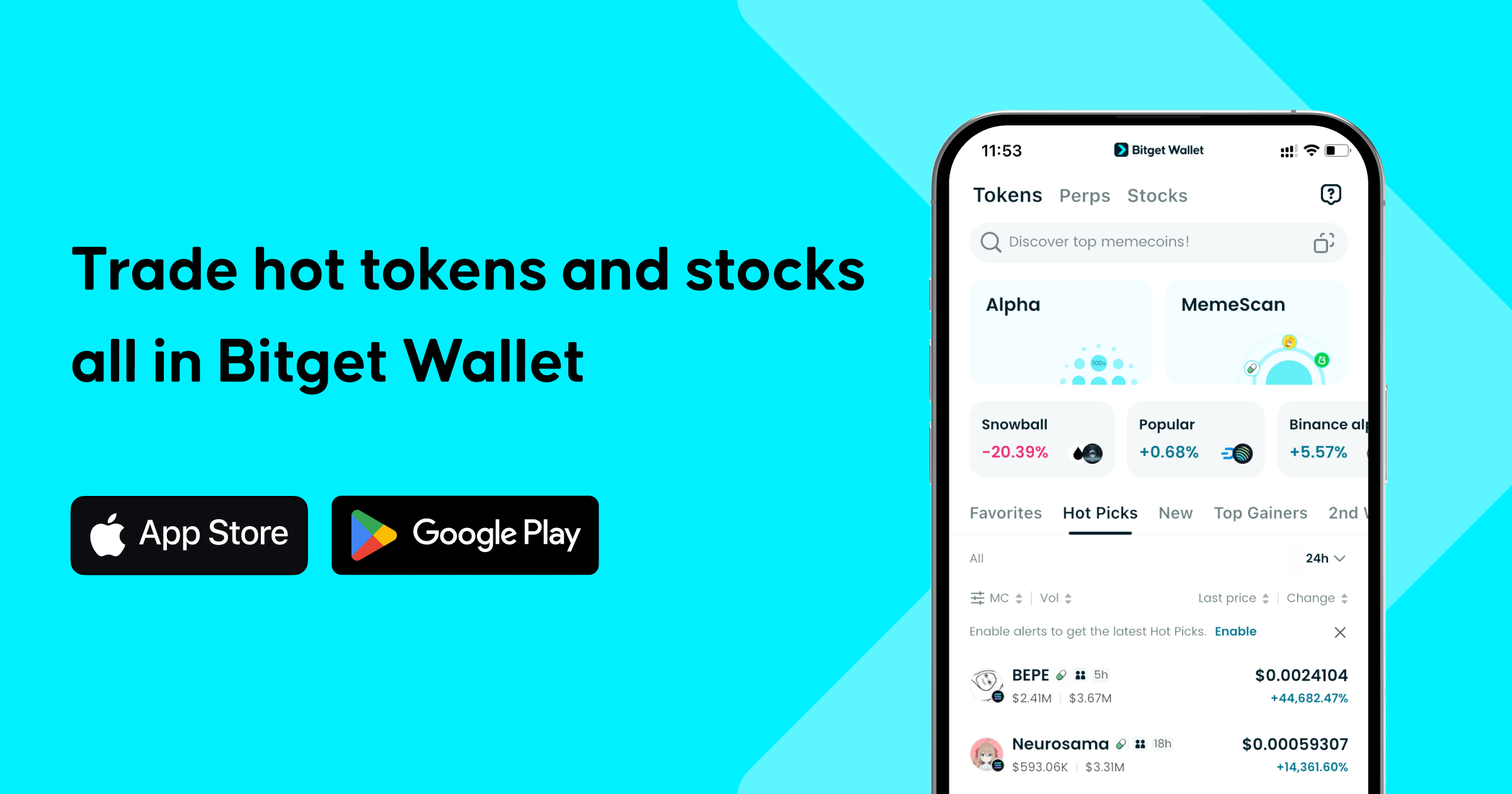
Bitget wallet is a crypto wallet interface for accessing multiple parts of the Web3 ecosystem. In practical terms, it can help a user view balances, send and receive tokens, connect to decentralized exchanges, interact with NFT marketplaces, and explore blockchain applications. Many people compare this kind of wallet with browser-extension wallets, mobile wallets, exchange wallets, and hardware-wallet setups because they all solve related problems in different ways.
Bitget wallet should not be confused with simply watching a token price page. A price page can show a market snapshot, a token symbol, or a live index, but a wallet is used for actions. When a user sends funds, approves a token, swaps assets, or signs a message, the wallet becomes the control panel for that decision. Bitget wallet can therefore be useful for people who want a single place to manage everyday Web3 activity, but the user still needs to understand what each approval and transaction does.
Bitget wallet may also be discussed alongside Bitget Wallet Token, often represented by the BWB ticker. Token-related pages can describe supply, markets, chains, or price history, but readers should treat those facts as time-sensitive. Token supply figures, circulating supply, liquidity, and market availability can change. Bitget wallet users should verify token contract addresses, chain information, and current market data through official wallet resources and reputable market data services before making any financial decision.
For a new user, the simplest mental model is this: Bitget wallet is the app or extension that helps you hold keys and approve blockchain actions, while the assets and transaction records live on public networks. The wallet reads those networks, prepares transactions, and asks you to sign them. If you want a broader foundation first, a basic can help explain custody, addresses, and recovery phrases before you move into more advanced use cases.
How does Bitget wallet work?
Bitget wallet works by creating or importing a wallet address, displaying supported assets, and signing transactions with credentials controlled by the user. When someone receives tokens, the sender broadcasts a transaction to the relevant blockchain. When someone sends tokens, Bitget wallet prepares the transaction details and asks the user to approve them. After approval, the network processes the transaction according to its own rules, congestion, and fee market.
Bitget wallet may support multiple chains, which matters because the same token name can exist on different networks. A user might see assets on Ethereum-compatible networks, Solana, BNB Chain, Polygon, or other ecosystems depending on the wallet's current support. The chain selection is not just a label. Sending an asset on the wrong network, using an unsupported address format, or misunderstanding a bridge route can create expensive mistakes. Bitget wallet can show prompts, but the user must still read the details.
In practice, Bitget wallet acts as a permission layer between the user and decentralized applications. A dApp might ask to connect, request a signature, or seek approval to move a specific token. A connection request is not always dangerous, but a token approval can create ongoing permission for a smart contract. Bitget wallet users should check contract names, spending limits, destination addresses, and transaction previews before signing anything.
The protocol or app behind a decentralized exchange may use automated market makers, liquidity pools, or routing services. Bitget wallet can expose a swap flow, but the pricing still depends on liquidity, slippage settings, and network fees. If a quoted price looks unusually favorable, the user should slow down and confirm the route. Bitget wallet can be convenient, yet convenience is not a guarantee that a token is legitimate or that a trade is fairly priced.
What can you use Bitget wallet for?
Bitget wallet can support several common Web3 workflows. The most basic use case is receiving cryptocurrency at a wallet address and checking the balance later. Another common use is sending tokens to another wallet, exchange deposit address, or service address. Bitget wallet may also be used for token swaps, NFT management, DeFi applications, on-chain identity flows, and portfolio tracking across supported networks.
Bitget wallet is especially relevant for users who want to move beyond exchange-only accounts. A centralized exchange account may be convenient for buying or selling, but an on-chain wallet lets the user interact directly with protocols. That can include staking interfaces, liquidity pools, launchpads, games, NFT collections, and governance tools. Each of these areas has different risk, so Bitget wallet users should evaluate the app as well as the wallet transaction.
Bitget wallet is also useful for learning how Web3 permissions work. A user can see how addresses, chain IDs, token contracts, and network fees appear during real transactions. That learning curve matters because most wallet mistakes happen in small moments: copying the wrong address, approving an unknown contract, ignoring a warning, or rushing through a bridge. Bitget wallet may reduce friction, but it should not encourage blind clicking.
Typical Bitget wallet use cases include:
- Holding supported cryptocurrencies in a self-custody wallet.
- Sending and receiving tokens on compatible blockchain networks.
- Connecting to decentralized exchanges, NFT platforms, and Web3 apps.
- Reviewing token balances, transaction history, and wallet activity.
- Learning how approvals, swaps, bridges, and gas fees work.
Bitget wallet can also be part of a larger personal security setup. Some users keep small amounts in a mobile wallet for regular activity and store long-term holdings with stricter controls. Others use hardware wallets where supported, separate wallets by risk level, or keep one wallet only for testing new dApps. Bitget wallet should fit into a thoughtful custody plan rather than becoming the only place where every asset and permission is concentrated.
How do you get started with Bitget wallet?
Bitget wallet setup generally begins with choosing the official app, extension, or supported access point. Users should avoid sponsored search results that look suspicious, copied websites, and unofficial download links. Before creating a wallet, confirm the domain, publisher, app-store listing, and official documentation. This step is not busywork; fake wallet downloads are one of the most direct ways attackers steal recovery phrases.
Bitget wallet users typically create a new wallet or import an existing one. Creating a new wallet produces recovery credentials, often a seed phrase or equivalent backup. That phrase should be written down offline and stored somewhere private. It should not be saved in a cloud note, sent through chat, photographed casually, or entered into any website that asks for verification. Bitget wallet support staff, legitimate dApps, and official communities should never need that phrase.
Bitget wallet can then be used to receive a small test transfer. A test transfer is a practical habit because it confirms the address, chain, and asset before a larger transfer is attempted. After the test arrives, the user can decide whether to move more funds. This may feel slow, but it is cheaper than recovering from a wrong-network deposit or a copied address error.
A careful first workflow for Bitget wallet looks like this:
- Download only from an official source and confirm the exact product name.
- Create or import a wallet in a private environment.
- Back up the recovery phrase offline before adding funds.
- Send a small test transaction on the intended network.
- Review every approval, address, fee, and contract before signing.
Bitget wallet users should also learn how to disconnect dApps and revoke unnecessary approvals where tools are available. Connections and approvals are different, but both deserve attention. A wallet that has interacted with many unknown contracts may carry more risk than a fresh wallet used only for simple transfers. Bitget wallet can be part of responsible self-custody when the user treats setup, backup, and ongoing review as routine maintenance.
Fees and costs of Bitget wallet
Bitget wallet users need to separate wallet fees, network fees, swap costs, and market spreads. A blockchain network fee, often called gas on Ethereum-style networks, is paid to validators or network participants for processing the transaction. That fee can rise during congestion. Bitget wallet may display the estimated fee before approval, but the exact experience depends on the network and transaction type.
Bitget wallet swaps may involve routing costs, slippage, liquidity provider fees, bridge fees, or third-party service charges. A token swap is not just a button press; it is a trade against available liquidity. If the token is thinly traded, the final amount can be worse than expected. Bitget wallet users should review minimum received amounts, price impact, and slippage settings before confirming a swap.
Bitget wallet does not make volatile assets stable. The market value of a token can change before and after a transaction, and a low price does not mean low risk. Some tokens have limited liquidity, unusual transfer rules, or contracts that restrict selling. When reading about Bitget Wallet Token or any related asset, users should verify the current token contract, network, supply details, market listings, and official announcements rather than relying on old snapshots.
The safest approach is to treat every cost estimate as a pre-transaction quote, not a promise. Bitget wallet can show helpful information, but blockchain transactions are executed by networks and smart contracts outside the user's full control. For larger transfers, test with a smaller amount, compare fee timing, and avoid rushing during periods of heavy network activity.
Is Bitget wallet safe?
Bitget wallet safety depends on the product's security design, the user's device hygiene, the authenticity of the download source, and the quality of the dApps being used. No software wallet can make crypto risk-free. A compromised phone, malicious browser extension, fake support message, leaked recovery phrase, or dangerous contract approval can put assets at risk even if the wallet interface itself appears normal.
Bitget wallet users should be especially careful with seed phrases and private keys. Anyone who has the recovery phrase can usually recreate the wallet elsewhere and move funds. That is why the phrase should be stored offline, protected from cameras and cloud sync, and never typed into forms. Bitget wallet security begins before the first deposit and continues every time the user signs something.
Bitget wallet also requires judgment around dApps. A site can look professional and still request a harmful permission. A token can have an active market and still be risky. A social post can promote an urgent mint, airdrop, or claim page that is designed to drain wallets. Bitget wallet users should verify URLs, look for independent reputation signals, and avoid signing transactions they do not understand.
Practical safety habits include using strong device passwords, keeping the app updated, avoiding public Wi-Fi for sensitive actions, separating high-value holdings from experimental wallets, and confirming addresses through more than one visual check. Bitget wallet can be a capable tool, but self-custody rewards patience. The moment a transaction is signed and confirmed, there may be no customer-service reversal.
How does Bitget wallet compare with alternatives?
Bitget wallet belongs to the same broad category as other Web3 wallets, but wallet choices often come down to supported chains, user interface, dApp access, security options, swap tools, NFT handling, and ecosystem preference. Some users prefer a wallet tied closely to one chain. Others prefer a multi-chain wallet. Some want mobile-first convenience, while others prioritize hardware-wallet compatibility and desktop workflows.
Bitget wallet may appeal to users who want a broad Web3 interface rather than a minimal key manager. That can be helpful if the user frequently explores DeFi, NFTs, and token swaps. The tradeoff is that more features also mean more places to slow down and verify details. A simple wallet may reduce distractions, while a richer wallet may reduce the need to jump between multiple apps.
Compared with an exchange account, Bitget wallet gives users more direct control over on-chain actions. Compared with cold storage, Bitget wallet is usually more convenient for everyday activity but may expose users to more online interaction risk. Compared with a single-chain wallet, Bitget wallet can be more flexible if the user works across several ecosystems. The right choice depends on whether the priority is convenience, network coverage, custody control, or long-term storage discipline.
Bitget wallet should be evaluated with a realistic checklist: official source, supported networks, backup method, transaction previews, approval controls, update history, help resources, and compatibility with the user's actual assets. For token-specific research, a focused can help readers understand symbols, contracts, supply, and market data without treating any token page as investment advice.
What should users know about Bitget Wallet Token?
Bitget wallet is commonly discussed alongside Bitget Wallet Token, but the wallet and the token are different concepts. The wallet is a software tool for managing Web3 activity. The token is a crypto asset with its own market behavior, supply details, chain context, and trading availability. Users should not assume that using Bitget wallet requires buying a token unless official product documentation clearly explains a specific feature that does.
Bitget wallet token information can change over time. A token may be listed on different markets, move across chains, update utility, or show changing volume and liquidity. Price pages can be useful for quick reference, but they are not enough for due diligence. Bitget wallet users reviewing BWB or any other token should confirm the contract address, chain, circulating data, and current official announcements before acting.
In plain terms, Bitget wallet can be part of a Web3 workflow, while a token is an asset that can rise, fall, or lose liquidity. Those are separate risk categories. A well-designed wallet does not make a token safe, and a popular token does not make every related website trustworthy. Keeping that distinction clear helps users avoid emotional decisions based on branding, price movement, or social hype.
When does Bitget wallet make sense?
Bitget wallet makes sense for users who understand that Web3 access comes with personal responsibility. It may be useful for people who want to manage supported assets, explore decentralized applications, track NFTs, or learn how on-chain transactions work. It is less suitable for someone who is not ready to protect a recovery phrase, verify network details, or accept that some mistakes cannot be reversed.
Bitget wallet can be a practical starting point if the user begins with small amounts, reads every transaction screen, and verifies product details through official sources. It can also be one part of a larger setup that includes separate wallets, careful backups, and conservative approval habits. The goal is not to click faster; it is to understand what is being signed.
Bitget wallet should ultimately be judged by fit, security habits, and current official information. Crypto wallets change, supported networks evolve, and token data moves quickly. Before installing, transferring funds, or interacting with a dApp, users should confirm the latest details from official Bitget wallet resources and compare them with trusted independent references. That extra step is a normal part of using crypto responsibly.
Questions and Answers
What is Bitget wallet used for?
Bitget wallet is used to manage crypto assets, connect to Web3 applications, send and receive tokens, review balances, swap supported assets, and interact with NFTs or DeFi tools. It is best understood as a self-custody wallet interface, so users remain responsible for protecting recovery credentials, checking addresses, and understanding what they approve before signing transactions.
Is Bitget wallet the same as Bitget Wallet Token?
No. Bitget wallet is the wallet software or interface used for Web3 activity, while Bitget Wallet Token is a crypto asset associated with its own ticker, market data, and token details. A wallet can help users view or manage tokens, but token prices, supply figures, chain details, and utility should be verified through official and current sources before any decision.
Does Bitget wallet charge fees?
Using Bitget wallet can involve several types of costs. Network fees are paid to the blockchain network for processing transactions. Swaps may also include liquidity provider fees, routing costs, spreads, slippage, or bridge fees depending on the action. Users should review the transaction preview carefully because fee estimates and final costs can vary by network congestion and market conditions.
Is Bitget wallet safe for beginners?
Bitget wallet can be used by beginners, but it still requires careful self-custody habits. A new user should download only from official sources, back up the recovery phrase offline, start with small test transfers, and avoid signing unfamiliar transactions. No wallet can protect funds if the user shares a seed phrase, installs a fake app, or approves a malicious contract.
Can Bitget wallet connect to decentralized apps?
Bitget wallet can be used to connect with supported decentralized applications, depending on the network and product version. Before connecting, users should verify the website address, understand the requested permission, and check whether the transaction is only a login signature or an approval that lets a contract move tokens. Connections should be reviewed and removed when they are no longer needed.
What should I check before sending funds with Bitget wallet?
Before sending funds with Bitget wallet, confirm the recipient address, blockchain network, token type, amount, and estimated fee. It is wise to send a small test transaction first, especially when using a new address or network. Users should also verify that the receiving platform supports the exact network selected, because wrong-network transfers can be difficult or impossible to recover.
How does Bitget wallet compare with keeping crypto on an exchange?
Bitget wallet gives users more direct control over on-chain assets and Web3 interactions, while an exchange account may be simpler for buying, selling, and account-based support. With self-custody, the user controls the wallet credentials and bears more responsibility for security. The better option depends on whether the priority is convenience, direct blockchain access, long-term storage, or managed account features.