Bitget wallet app Is a Web3 wallet for setup, transfers, swaps, dapps, and safer everyday crypto use
Bitget wallet app Is a mobile and browser-based Web3 wallet designed to help users store crypto assets, connect to decentralized apps, review tokens, swap assets, and manage blockchain activity from one interface. It is most useful for people who want a multi-chain wallet experience, but it still requires careful setup, seed phrase protection, transaction review, and verification through official sources before moving funds or approving dapp permissions.
Bitget wallet app sits in the same general category as non-custodial crypto wallets, DeFi wallets, NFT wallets, and multi-chain Web3 apps. That means the user experience can feel convenient, but the responsibility model is different from a bank or a standard exchange account. With a self-custody wallet, the person holding the recovery phrase and approving transactions controls the assets, so every setup choice matters.
For a new user, the most important point is simple: Bitget wallet app can organize many Web3 tasks, but it cannot remove crypto risk. Prices move, smart contracts can fail, fake apps exist, addresses are easy to mistype, and malicious approvals can drain funds. A careful user treats the wallet as a control panel for blockchain actions, not as a guarantee that every token, dapp, or offer shown online is safe.
What is Bitget wallet app?
Bitget wallet app is commonly understood as a Web3 wallet that helps users interact with crypto networks, decentralized finance tools, token swaps, NFT collections, and dapps. Depending on the device and region, users may encounter it as a mobile app, browser extension, or web-connected wallet flow. The core idea is to provide one place to view balances, send and receive assets, connect to blockchain applications, and confirm transactions.
Bitget wallet app should not be confused with a simple price page or a tax tracker. A price page may show market data for a token, while a wallet app helps users take actions on-chain. Those actions can include receiving tokens, sending assets to another address, approving a smart contract, signing a message, or swapping one supported asset for another. Each action should be reviewed because blockchain transactions are generally irreversible once confirmed.
Bitget wallet app also exists in a broader ecosystem of wallet names, tokens, networks, bridges, and dapp directories. Users may see references to Bitget Wallet, BWB, Solana, Ethereum-style networks, stablecoins, NFTs, and decentralized exchanges. These related terms are useful context, but they should not be treated as a promise of compatibility. Before depositing funds, users should confirm supported chains, official download links, token contract addresses, and current fees from official sources.
How does Bitget wallet app work?
Bitget wallet app works by creating or importing a wallet address and then using cryptographic keys to authorize blockchain activity. In a non-custodial setup, the app helps generate or manage access to private keys through a recovery phrase. The app interface may show balances and transaction history, but the assets themselves are recorded on public blockchains. The wallet is the tool used to control them.
Bitget wallet app typically asks the user to approve actions before anything leaves the wallet or before a dapp receives permission. A transfer approval sends assets to a specific address. A swap approval may allow a smart contract to spend a certain token. A signature may confirm identity for a site without moving funds, though users still need to read what they are signing. The difference between these actions is important.
In practice, Bitget wallet app combines several layers: a user interface, network support, address management, dapp connection tools, and transaction signing. The app may make these layers feel simple, but each layer has its own risk. Network congestion can change fees, token names can be spoofed, and a dapp connection can request permissions that are broader than expected. A careful review habit is part of using any Web3 wallet well.
How do you set up Bitget wallet app?
Bitget wallet app setup should begin with verification. Users should find the app through official sources, confirm the publisher, avoid sponsored lookalike pages, and check whether they need the mobile app, extension, or another supported access method. Crypto wallet scams often copy names, logos, and interface patterns, so the download step deserves more attention than it gets in many quick tutorials.
Bitget wallet app will generally require either creating a new wallet or importing an existing one. Creating a new wallet usually produces a recovery phrase. Importing a wallet may require an existing recovery phrase or private key. Users should never paste those secrets into websites, chat messages, support forms, screenshots, cloud notes, or unknown apps. Anyone with the recovery phrase can usually control the wallet.
A basic setup workflow often looks like this:
- Verify the official source before installing Bitget wallet app.
- Create a new wallet or import an existing wallet only inside the verified app.
- Write the recovery phrase offline and store it somewhere private.
- Add only the networks and tokens you understand and plan to use.
- Send a small test transaction before transferring larger balances.
- Review each approval, network, address, and fee before confirming.
Bitget wallet app setup is also a good time to decide how much value belongs in a hot wallet. A hot wallet is connected to a phone, browser, or internet-enabled device. It is convenient for everyday Web3 activity, but many experienced users separate spending wallets from long-term storage. For broader safety habits, an internal guide such as can help users think through backups, device hygiene, and permission review.
What can you use Bitget wallet app for?
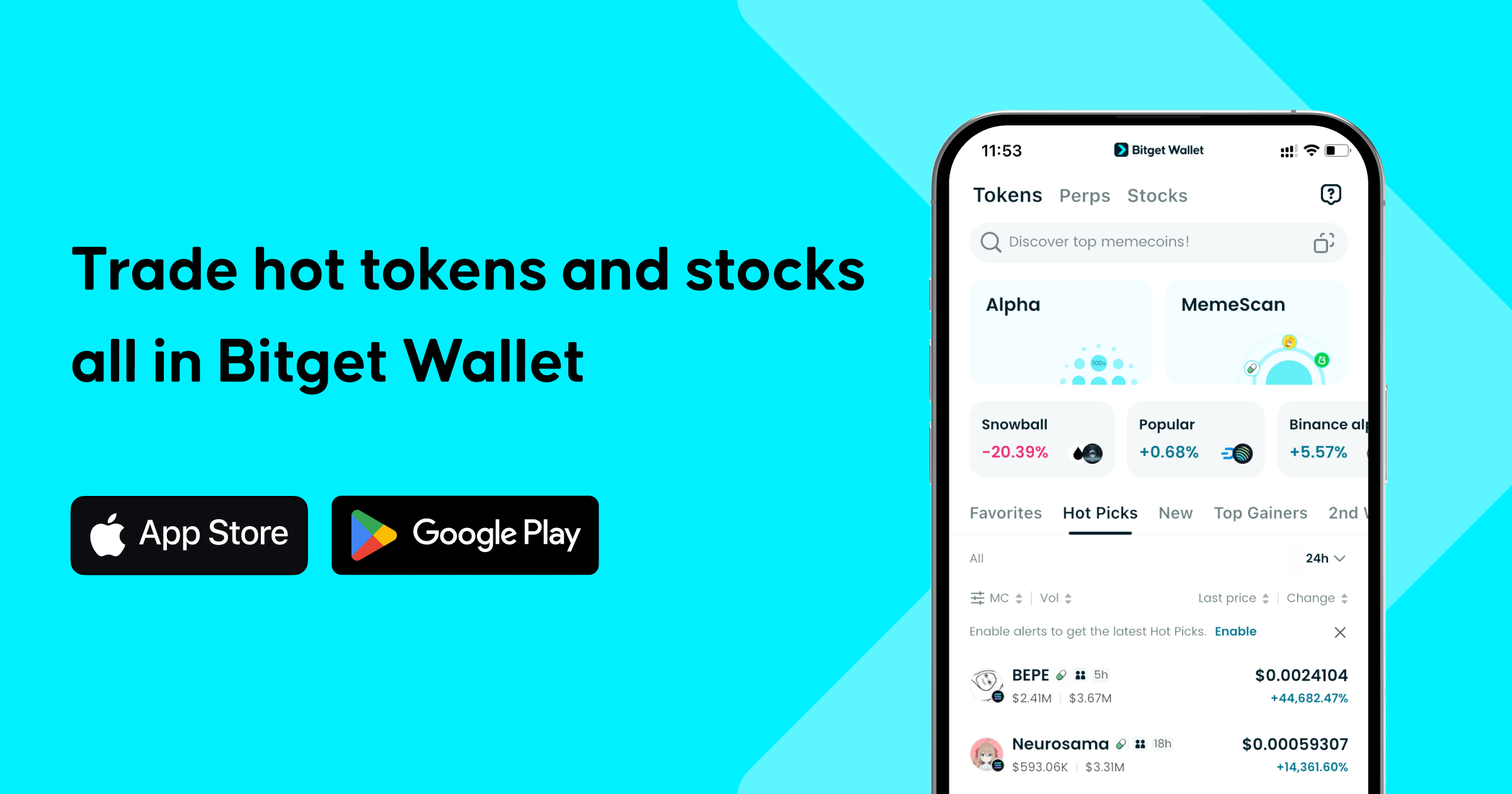
Bitget wallet app can be used for everyday Web3 tasks such as receiving tokens, sending crypto to another address, viewing balances, checking NFTs, connecting to dapps, and exploring decentralized finance. The exact tools and supported networks can change, so users should check current product details before relying on a feature. The safer assumption is that the app is a gateway, while each blockchain, dapp, or contract has its own rules.
Bitget wallet app may also support token swaps or routing through liquidity sources. Swaps can be convenient because users do not need to manually visit every decentralized exchange. Still, swaps involve prices, slippage, liquidity, network fees, and smart contract permissions. A quoted rate is not always the final economic result after fees and price movement, so users should review the confirmation screen carefully.
Bitget wallet app can help with NFT storage and dapp discovery, but NFT activity has its own risks. A collection name can be copied, a token can be spam, and a malicious mint page can ask for permissions that do more than expected. Users should be cautious with free airdrops, urgent countdowns, and messages that pressure them to connect quickly. A wallet interface can display an asset without proving it is valuable or legitimate.
For people comparing wallet functions with token information, an internal resource like can provide a separate way to think about wallet utility versus market speculation. The wallet app is a tool for access and signing. A token is a market asset with its own supply, liquidity, exchange availability, and volatility. Users should keep those categories separate when making decisions.
Is Bitget wallet app safe?
Bitget wallet app can be used more safely when the user verifies the source, protects the recovery phrase, reviews permissions, and avoids suspicious dapps. No wallet app can make crypto risk disappear. Safety depends on the software, the device, the networks used, the contracts approved, and the user’s operational habits. A secure wallet used on a compromised phone or connected to a malicious site can still lead to loss.
Bitget wallet app users should pay special attention to approvals. In many token systems, an approval can allow a contract to spend a token from the wallet up to a certain limit. Some approvals are normal for swaps and DeFi, but unlimited or unfamiliar approvals deserve scrutiny. Users can periodically review and revoke old permissions with reputable tools, but they should verify those tools as carefully as they verify the wallet itself.
Bitget wallet app safety also depends on address checks. Blockchain addresses are long, and malware can replace copied addresses in the clipboard. A good habit is to compare the first and last characters, use a small test transfer for a new destination, and avoid rushing when a timer or promotion creates pressure. For larger balances, users may consider separating daily-use funds from long-term holdings.
The protocol and app experience may reduce some friction, but they do not replace judgment. Users should be skeptical of support agents who ask for recovery phrases, direct messages promising refunds, token claim pages that require urgent signatures, and websites that look almost identical to official pages. Real wallet support should not need a seed phrase. If a page asks for one, that is usually a reason to stop.
What fees and costs should users expect?
Bitget wallet app may not be the only source of cost in a transaction. Blockchain activity often includes network fees paid to validators or miners, swap spreads, slippage, bridge costs, and possible service fees depending on the transaction route. These costs vary by chain, time, liquidity, and transaction type. Users should review the final confirmation screen rather than assuming a displayed token price tells the whole story.
Bitget wallet app users should also understand that a low-price token can still be expensive to move if the network fee is high. The opposite can happen too: a network may be inexpensive, but a thinly traded token may have poor liquidity and a wide spread. Fees are not just a wallet question. They are part of the selected blockchain, dapp, market route, and timing.
For swaps, Bitget wallet app may show estimated output and tolerance settings. Slippage tolerance controls how much the result can move before the transaction fails or executes within a defined range. Setting tolerance too low can cause failed transactions and wasted fees. Setting it too high can expose the user to a worse execution. There is no universal setting that fits every market, so users should understand the tradeoff before confirming.
How does Bitget wallet app compare with other wallet options?
Bitget wallet app belongs to a crowded wallet category that includes exchange wallets, browser wallets, hardware wallets, mobile-first wallets, and chain-specific wallets. The right choice depends on the user’s goal. Someone who mainly explores dapps may value convenience and network breadth. Someone storing significant long-term holdings may prioritize hardware signing, offline backups, and minimal contract exposure.
Bitget wallet app may appeal to users who want a broad Web3 interface rather than separate apps for every chain or use case. A chain-specific wallet may be simpler for one ecosystem, while a multi-chain wallet can reduce switching. The tradeoff is that more features can create more decisions. More networks, tokens, bridges, and dapps mean more places where a user must verify details.
Compared with leaving assets on a centralized exchange, Bitget wallet app can offer more direct Web3 access and user-controlled signing. However, self-custody shifts responsibility to the user. If a centralized account has password recovery and customer support, a non-custodial wallet may not. If the recovery phrase is lost, stolen, or exposed, there may be no practical way to reverse the outcome.
What should you check before connecting Bitget wallet app to a dapp?
Bitget wallet app users should treat every dapp connection as a permission decision. A dapp connection is not always dangerous by itself, but the next approval or signature can matter. Before connecting, check the domain, the project’s reputation, the network being requested, the contract action, and whether the site is asking for more access than the task requires.
Bitget wallet app users should pause when a site creates urgency. Common warning signs include fake airdrops, surprise prize messages, copied brand pages, wallet validation forms, and requests to enter a recovery phrase. Another warning sign is a transaction that does not match the visible action. If a site says it is only verifying ownership but the wallet shows a token transfer or broad approval, stop and investigate.
A practical review habit is to use a small activity wallet for new dapps. Bitget wallet app can be part of that workflow when users separate experimental Web3 actions from core holdings. This does not make a risky dapp safe, but it can reduce the damage from a bad approval. Users should still verify every site and transaction, especially when bridging assets or interacting with unfamiliar smart contracts.
Who is Bitget wallet app best suited for?
Bitget wallet app is best suited for users who understand that Web3 convenience comes with direct responsibility. It can be useful for someone who wants to manage multiple assets, explore dapps, review NFTs, and perform everyday crypto actions without opening a separate interface for every task. It is less suitable for someone who is not ready to manage recovery phrases, transaction approvals, and irreversible transfers.
Bitget wallet app may also be useful for intermediate users who already know the difference between a public address, private key, recovery phrase, network fee, token contract, and smart contract approval. Beginners can still use the app, but they should move slowly, start with small amounts, and avoid complex DeFi strategies until they understand the mechanics. Learning the wallet interface is only one part of learning crypto custody.
For closing perspective, Bitget wallet app is a tool, not a shortcut around due diligence. It can make Web3 access more organized, but users still need to verify official sources, protect backups, test transactions, and review every approval. Anyone using crypto should assume that markets are volatile, interfaces can change, and mistakes can be costly. Careful habits matter more than any single app feature.
Questions and Answers
What is Bitget wallet app used for?
Bitget wallet app is used to manage crypto assets, connect to Web3 dapps, send and receive tokens, review balances, access swaps, and interact with blockchain networks from a wallet interface. It is not only a price tracker or exchange page. Because transactions are typically irreversible, users should verify official sources, check addresses, and understand each approval before moving funds.
Is Bitget wallet app a non-custodial wallet?
Bitget wallet app is generally discussed as a Web3 wallet where users may create or import wallets and control access through private keys or a recovery phrase. In a non-custodial setup, the user carries responsibility for backup and security. If a recovery phrase is lost or exposed, support teams usually cannot restore funds or reverse unauthorized transactions.
How should beginners set up Bitget wallet app safely?
Beginners should start by verifying the official download source, checking the app publisher, creating a wallet only in the verified app, and writing the recovery phrase offline. They should avoid screenshots, cloud notes, and direct messages that ask for wallet secrets. A small test transaction is a sensible first step before sending larger amounts.
Can Bitget wallet app connect to dapps?
Bitget wallet app can be used as a Web3 wallet for connecting to decentralized applications when supported by the app, device, network, and dapp. Users should inspect the domain, requested network, transaction type, and permissions before approving anything. A connection may be harmless, but approvals and signatures can create real asset risk.
What fees apply when using Bitget wallet app?
Costs can include blockchain network fees, swap spreads, slippage, bridge fees, and possible service-related charges depending on the route and feature used. The wallet interface may estimate costs, but final details can change with network conditions and liquidity. Users should review the confirmation screen and verify current details before approving a transaction.
Is Bitget wallet app safe for storing crypto?
Bitget wallet app can be part of a safer storage approach when used carefully, but no hot wallet removes crypto risk. Safety depends on verified installation, recovery phrase protection, device security, cautious dapp use, and permission review. Users holding significant value often separate everyday Web3 funds from long-term storage and consider additional security practices.
What should I check before swapping tokens in Bitget wallet app?
Before swapping, check the token contract, network, estimated output, slippage tolerance, liquidity, fees, and whether the approval lets a smart contract spend your tokens. A token name alone is not enough because fake or copied tokens can exist. Start with small amounts when testing a new route or unfamiliar asset.