Bitget wallet Is a Web3 wallet for storing, swapping, and spending crypto
Bitget wallet Is a crypto wallet app for people who want one place to manage Web3 assets, explore decentralized apps, swap tokens, hold NFTs, and in some regions connect crypto to everyday payments through card features. It is not just a price page or exchange screen; Bitget wallet is mainly a user-controlled wallet experience, so users should understand setup, network fees, token risks, regional availability, and security basics before relying on it.
Bitget wallet sits in the broader category of Web3 wallets, which means it can help users interact with blockchains rather than only view balances inside a centralized trading account. A typical user might install the app, create or import a wallet, back up a recovery phrase, add networks, receive funds, swap assets, and connect to decentralized finance tools. The exact features can change over time, so any fee, card, token, or supported network detail should be checked against official Bitget wallet sources before making a transaction.
What is Bitget wallet?
Bitget wallet is a Web3 wallet built for digital assets such as tokens, stablecoins, and NFTs. In plain terms, it is software that helps a user control blockchain addresses and sign transactions. Unlike a standard bank app, Bitget wallet does not make blockchain activity reversible by default. When a user sends crypto to the wrong address or approves a risky smart contract, the transaction may be final. That is why the wallet is useful, but it also requires care.
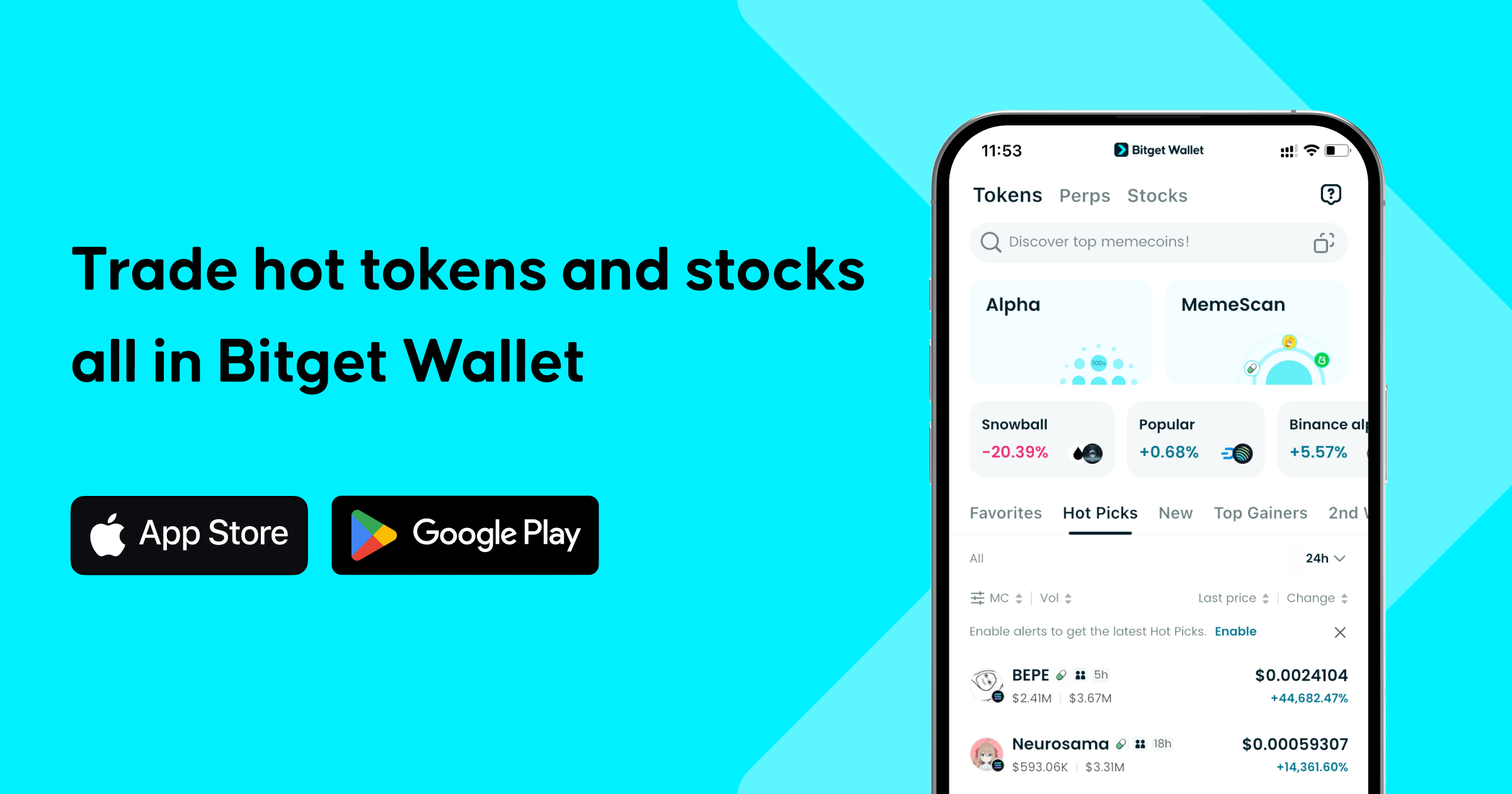
Bitget wallet may appeal to users who want access to multiple crypto activities from one interface. The wallet can be understood as a hub for holding assets, trading through supported routes, discovering decentralized applications, and monitoring positions. The experience is designed to feel simpler than manually using separate block explorers, bridges, swap pages, and NFT marketplaces, but the underlying blockchain risks still remain.
Bitget wallet is also associated with the Bitget Web3 ecosystem, including the wallet brand, token-related content, and payment features. People searching for Bitget wallet may be asking about the app, the Bitget Wallet Token, the card product, or the official web3.bitget.com domain. Those are related topics, but they are not the same thing. The wallet is the interface, the token is a separate crypto asset, and the card is a spending product that may depend on region, verification, and supported funding assets.
How does Bitget wallet work?
Bitget wallet works by helping users create or access blockchain accounts and then sign actions with private keys stored through the wallet. A public address can receive crypto, while the private key or recovery phrase controls the ability to move it. The user normally sees a clean app interface, but each transaction is still a blockchain instruction that may involve gas fees, network confirmations, and smart contract permissions.
Bitget wallet can support common Web3 workflows such as receiving stablecoins, swapping one token for another, connecting to decentralized apps, or viewing NFTs. When a user approves a swap, the wallet may show estimated output, network cost, slippage settings, and contract permissions. Those details matter because the final result can change if liquidity moves, gas prices rise, or the selected token has unusual contract behavior.
For a new user, the most important concept is custody. Bitget wallet can give users more direct control than leaving assets on a centralized platform, but that control means the user must protect recovery information. Anyone who gets the seed phrase or private key can usually take the assets. Bitget wallet may provide security prompts and risk warnings, but no app can fully protect a user who shares credentials, signs malicious approvals, or downloads a fake copy.
How do you get started with Bitget wallet?
Bitget wallet setup usually begins with downloading the legitimate app or visiting the official website, then creating a new wallet or importing an existing one. Users should be careful with search ads, imitation domains, and fake support accounts. A sensible first step is to verify the source, install from a trusted app store or official page, and avoid entering a seed phrase into any page that is not part of the legitimate wallet flow.
Bitget wallet onboarding should be treated like setting up access to real money. The recovery phrase should be written down and stored offline, not saved in a screenshot, cloud note, email draft, or chat message. A user can then add networks, enable available security settings, test with a small transfer, and confirm that receiving and sending work as expected before moving larger balances.
A basic Bitget wallet workflow might look like this:
- Download Bitget wallet from a verified source and create a new wallet.
- Write down the recovery phrase and store it offline in a private location.
- Enable available security features such as app lock, passcode, or biometric access.
- Receive a small test amount on the correct network before transferring more funds.
- Review every swap, bridge, card top-up, or decentralized app approval before signing.
Bitget wallet users should also learn the difference between networks. Sending USDT on one chain to an address or service expecting another chain can create problems. Some mistakes can be fixed by a recipient that supports both networks, but many cannot. In practice, Bitget wallet is easiest to use when the user slows down and checks the token, chain, address, and fee before confirming.
What can you use Bitget wallet for?
Bitget wallet can be used for everyday crypto management. That includes receiving tokens from another wallet, holding stablecoins, tracking balances, and sending funds to another address. Many users also look at Bitget wallet as a gateway to DeFi, where they may swap assets, provide liquidity, use bridges, or connect to decentralized applications. Each activity has different risks, so the wallet should be seen as a tool, not a guarantee of safety or profit.
Bitget wallet may also be useful for people who collect or manage NFTs. A wallet can display NFT assets, connect to marketplaces, and sign listing or transfer transactions. NFT users should pay close attention to approvals because a malicious approval can sometimes expose more assets than expected. Bitget wallet can make these interactions easier to manage, but the user still needs to understand what a signature authorizes.
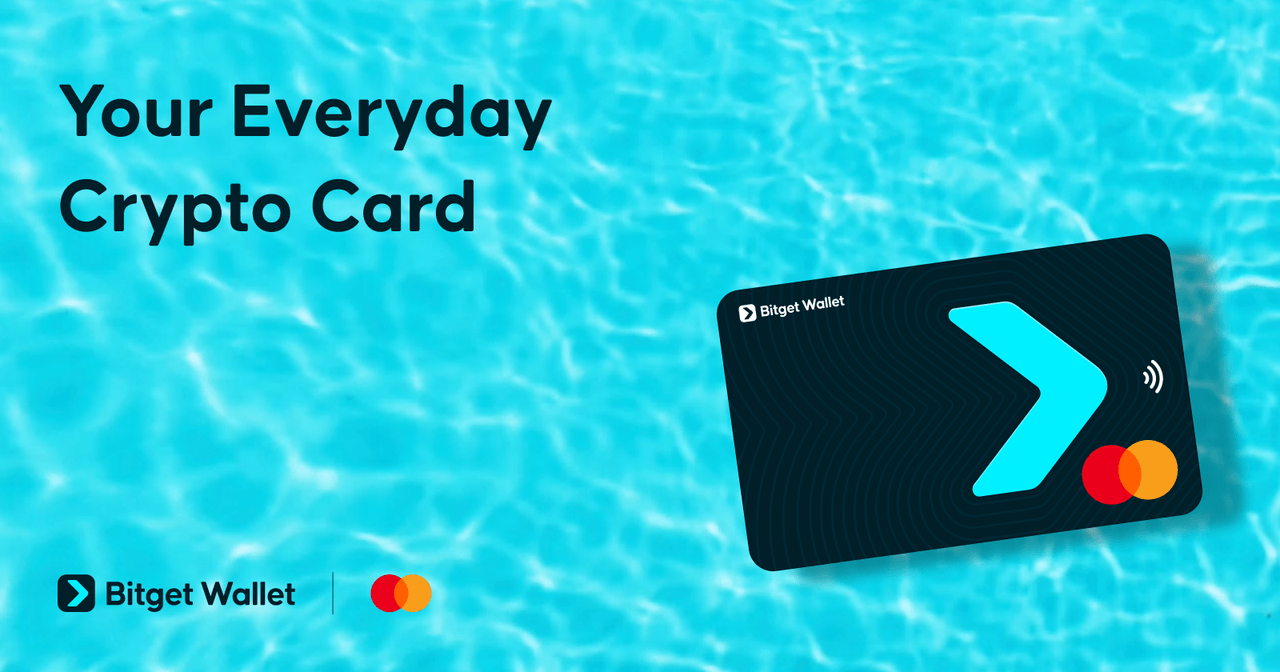
Another search intent around Bitget wallet involves payment features. Some users want to know whether crypto can be used like cash through a card. Where available, a card connected to the wallet may let a user top up with supported stablecoins and spend through familiar payment rails. For a deeper page on that topic, a user might compare this article with a focused guide to the . Availability, identity checks, spending limits, supported currencies, and fees can vary by region.
What is the Bitget Wallet Token?
Bitget wallet is often discussed alongside the Bitget Wallet Token, commonly associated with the ticker BWB. The token is a separate crypto asset connected to the broader wallet ecosystem. A token can have market price movement, liquidity conditions, holder incentives, governance functions, or ecosystem uses, depending on the current official design. Users should not assume that using Bitget wallet requires buying the token unless the specific feature they want clearly says so.
Bitget wallet token information can change quickly because crypto markets move continuously. A page showing a token price, circulating supply, or exchange count may be outdated by the time a user reads it. Anyone reviewing the token should check current data from reliable market pages and official Bitget wallet communications. A related internal reference such as a can help separate wallet functionality from market speculation.
Bitget wallet users should treat token decisions as financial risk decisions. Token prices can fall sharply, liquidity can thin out, and promotional narratives can outpace actual product utility. Holding a token is different from using a wallet. A user can find the wallet useful while still deciding not to buy the ecosystem token, and a user who does buy the token should understand volatility, custody, taxes, and jurisdiction-specific rules.
Fees and costs of Bitget wallet
Bitget wallet costs can come from several places. Blockchain network fees are usually paid to validators or miners, not directly to the wallet provider. Swap routes may include spreads, liquidity provider fees, bridge fees, or service fees. Card products may involve top-up rules, exchange rates, spending limits, or fees after a promotional allowance. Because these details can change, Bitget wallet users should review the confirmation screen and official fee pages before each important action.
In practice, Bitget wallet users should separate visible wallet fees from market costs. A swap might appear inexpensive but produce a worse price because of slippage or low liquidity. A bridge might be convenient but take time and charge fees on both sides. A card transaction might feel like a normal debit purchase, yet currency conversion and regional rules can still matter. The wallet interface is only one part of the total cost.
Bitget wallet can be more predictable when users perform small tests, keep enough native gas token for the network they are using, and avoid making urgent transactions during periods of heavy congestion. Stablecoin users should also understand that assets such as USDT and USDC are designed to track the U.S. dollar, but they still depend on issuer, chain, and market conditions. No wallet removes those underlying risks.
Is Bitget wallet safe?
Bitget wallet safety depends on both the product’s protections and the user’s behavior. A legitimate wallet app can include app locks, risk alerts, transaction previews, and phishing warnings, but many losses in crypto happen because a user signs a malicious approval, downloads a fake app, reveals a recovery phrase, or sends funds on the wrong network. Bitget wallet should be used with the same caution as any self-custody crypto tool.
Bitget wallet users should be especially careful with private messages claiming to offer support. Real support teams should not need a recovery phrase. A common scam is to direct users to a fake verification page or ask them to connect a wallet to fix a problem. Another common risk is token approval abuse, where a user authorizes a contract to spend tokens and later loses assets. Periodically reviewing and revoking old approvals can reduce exposure.
Good Bitget wallet security habits include keeping the app updated, using a strong device passcode, storing the recovery phrase offline, and testing new addresses with small amounts. Users with larger balances may prefer a hardware wallet or separate cold storage for long-term holdings, while using Bitget wallet for smaller active balances. That separation can limit damage if a phone, browser session, or decentralized app approval is compromised.
How does Bitget wallet compare with other crypto wallets?
Bitget wallet competes in a crowded wallet category that includes mobile wallets, browser extension wallets, hardware wallets, exchange-linked wallets, and chain-specific wallets. The best choice depends on the user’s priority. Some people want the simplest mobile experience, some want maximum self-custody isolation, and some want the broadest decentralized app compatibility. Bitget wallet is usually most relevant to users who want a multi-feature Web3 app connected to a larger crypto ecosystem.
Compared with a centralized exchange account, Bitget wallet may give users more direct interaction with DeFi and on-chain assets. Compared with a hardware wallet, Bitget wallet may be more convenient but less isolated from everyday device risks. Compared with a single-chain wallet, Bitget wallet may feel broader and more practical for users moving across multiple networks. These differences are not automatically good or bad; they are tradeoffs.
Bitget wallet should be evaluated by checking supported chains, backup model, transaction transparency, swap routes, dApp compatibility, customer support channels, card availability, and security controls. A serious user may even use more than one wallet: Bitget wallet for active Web3 use, a hardware device for long-term storage, and an exchange account only when fiat on-ramps or off-ramps are needed. Diversifying access methods can reduce reliance on a single app.
Who is Bitget wallet best suited for?
Bitget wallet is best suited for users who want a practical Web3 wallet and are willing to learn the basics of on-chain activity. It can fit people who use stablecoins, trade small amounts through swaps, explore decentralized applications, hold NFTs, or want to understand crypto payment options. It is less suitable for anyone who wants bank-style reversibility, guaranteed returns, or a completely hands-off experience.
Bitget wallet can also be useful for travelers, freelancers, and crypto-native users who already think in stablecoins and need flexible access to funds. Card-related features may make the wallet feel more connected to everyday spending, but only where those products are available and compliant with local requirements. Users should expect identity verification for regulated payment products and should verify supported countries before planning around them.
For someone just starting, Bitget wallet should be approached gradually. Create the wallet, learn the recovery model, test a small transaction, and read each confirmation screen. Then explore swaps, NFTs, DeFi, or card features only after understanding the risks. Bitget wallet can be a useful bridge between crypto storage and Web3 activity, but the user’s discipline remains the most important security layer.
Before relying on Bitget wallet
Bitget wallet can make crypto feel more usable by bringing wallets, swaps, decentralized apps, token information, NFTs, and possible payment features into a single experience. That convenience is valuable, but it should not hide the reality that blockchain transactions are technical and often irreversible. Users should verify official details, check fees, avoid urgent decisions, and understand the difference between a wallet feature and an investment claim.
Bitget wallet is ultimately a tool for accessing Web3, not a promise that every asset, application, or token connected to it is safe. The most practical approach is to use the wallet deliberately: protect the recovery phrase, confirm the network, read transaction prompts, keep active balances reasonable, and research any token before buying. With those habits, Bitget wallet can serve as a manageable entry point into crypto activity while keeping expectations grounded.
Questions and Answers
What is Bitget wallet used for?
Bitget wallet is used to manage Web3 crypto assets such as tokens, stablecoins, and NFTs. Users may receive and send funds, swap supported assets, connect to decentralized applications, review wallet balances, and explore payment-related features where available. It should be treated as a crypto wallet interface, not as a guarantee that every token or dApp connected to it is safe.
Is Bitget wallet the same as the Bitget Wallet Token?
No. Bitget wallet is the wallet application or Web3 interface, while the Bitget Wallet Token is a separate crypto asset associated with the broader ecosystem. A person can evaluate the wallet’s practical features separately from any decision to buy or hold the token. Token prices, utility, liquidity, and risks can change quickly, so users should verify current details through official and reliable market sources.
Does Bitget wallet have fees?
Bitget wallet activity can involve several types of costs. Network gas fees are paid for blockchain transactions, while swaps, bridges, and card-related services may have spreads, service fees, limits, or conversion costs. The exact amount can vary by chain, asset, route, region, and product rules. Users should review the transaction preview and official fee information before confirming any meaningful transfer or payment.
Is Bitget wallet safe for beginners?
Bitget wallet can be used by beginners, but beginners need to learn self-custody basics first. The recovery phrase must be stored offline and never shared. Users should download only from verified sources, enable available app security, test with small amounts, and avoid signing unfamiliar approvals. Crypto transactions may be irreversible, so safety depends heavily on careful user behavior.
Can Bitget wallet be used for everyday payments?
Bitget wallet may support payment features through card products in certain regions, but availability, funding assets, limits, verification, and fees can vary. Some card workflows may allow users to top up with supported stablecoins and spend through familiar payment networks. Anyone planning to use it for daily spending should confirm official regional availability and current terms before depending on it.
How do I start using Bitget wallet responsibly?
Start by verifying the official download source, creating a wallet, and writing the recovery phrase on paper or another offline medium. Enable passcode, biometric, or app-lock features where available. Send a small test transaction before transferring more funds. When using swaps, bridges, NFTs, or dApps, read each transaction screen carefully and confirm the token, network, address, and expected fee.
How does Bitget wallet compare with a centralized exchange account?
A centralized exchange account is usually designed for trading, fiat access, and custodial balances, while Bitget wallet is designed for Web3 access and on-chain control. With Bitget wallet, users may interact more directly with blockchains and decentralized apps, but they also take on more responsibility for backups, permissions, and irreversible transactions. Many users keep separate tools for trading, active wallet use, and long-term storage.